All You Need to Know About Booster Seats
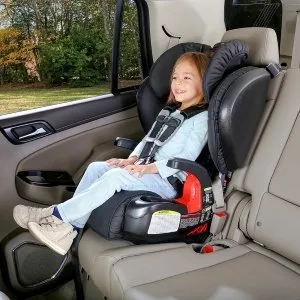
When your child outgrows their harnessed car seat they still need a safety seat to help protect them in the car. Most children will use a booster once they’ve outgrown the weight and/or height limit of their previous car seat. Booster seats are vital because a vehicle seat belt is actually designed for a 165 pound man, so it won’t fit a child properly until they are at least 4 feet, 9 inches tall and 8 - 12 years of age.
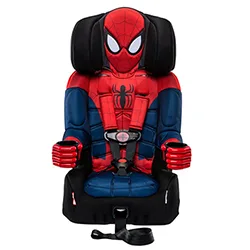
Kids spend more time in cars than they ever have before, so it’s important to ensure they’re adequately protected at every age and stage. If you have a child who’s 7 going on 27, she may be ready to give up the “baby” seat and ride like a grown up. She might even put up a big fuss about riding in a booster seat, especially if it still looks like it’s made for a little kid. The good thing is, that many booster seats available today have a more mature, grown-up look that your kid may actually love.
If you ever come to a booster seat standoff with your child, be honest. Explain to them what the consequences are for not being properly secured in the car. Children who aren’t adequately secured are 55 percent more likely to be injured in a car accident than those who use a safety seat. Explain that a booster seat will make sure the shoulder and lap belts fit them just right to keep them safe for every trip.
If you are ever in an accident – or even have a sudden stop, an improperly fitting seat belt can injure your child more than the car crash. If the shoulder belt doesn’t lay across their shoulder, it could cause major damage to her neck, respiratory system, or ribs. If the lap belt doesn’t fit across the tops of the thighs, it can cause damage to the internal organs, including the spleen, liver, and stomach. Sitting in a booster seat is a small sacrifice to make in order to prevent a catastrophic injury.
Always remember, you’re the parent. It’s up to you to ensure your child is safe in the car, even if she resists riding in a safety seat.

Here are some FAQ parents have about booster seats:
What age is a booster seat appropriate?
Unfortunately, people sometimes rush to get their child into a booster seat. Parents should wait until their child is truly big enough and old enough to use it. If your child is a wiggle worm or can’t buckle himself in without help, he should still ride in a harnessed seat.
Each state has its own requirements for age, but the general rule is never put them into a booster until they’re at least 5 years old. And even that may be too young.
The American Academy of Pediatrics recently changed their recommendations, removing the minimum age for rear-facing seats. They now recommend keeping your child rear-facing for as long as possible. The fact of the matter is that rear-facing, harnessed car seats offer more protection than any other safety seats.
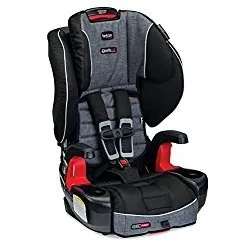
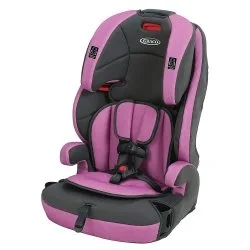
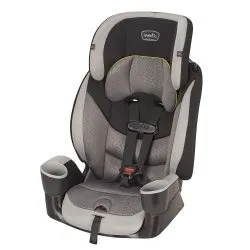
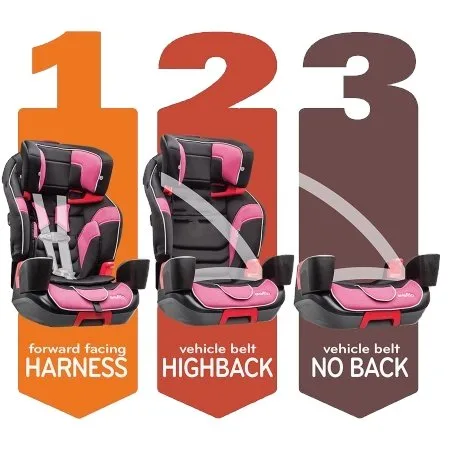
So at 4 years old, it’s possible (and wise) to keep your child in a rear-facing seat or at the very least a harnessed forward-facing car seat. Today’s harnessed car seats have higher maximum side limits to allow for extended use. However, you can save a step with a combination harness/booster seat. Some combination seats start as a harnessed forward-facing seat, then convert to a belt-positioning highback booster. Some of these can even convert to backless boosters.
How long should a child be in a five-point harness?
Just like rear-facing seats, the answer is for as long as possible. The secure straps, side impact protection, and headrests with protective wings are always safer than a seat belt alone.
So when can I put my child in a booster seat?

Yes, it can be a little confusing to know when to make the change. Children grow at many different rates in both size and maturity level. In general, the National Highway Traffic Safety Administration has three recommendations to keep in mind when it comes to when your child should use a booster seat:
- From 4 years old and 40 inches tall until at least 8 years old and 4’9”
- Have outgrown the manufacturer recommendations for their existing car seat
- Can keep upright and still when sitting on the booster seat, and naturally bend their legs over the edge of the booster seat.
- When they’ve met state age and size requirements
Can I put my 3 year old in a booster seat if he’s able to buckle himself in?
That depends on two things - the size limits of the booster seat and whether it’s legal in your state. In Colorado, for instance, children under age 4 or under 40 pounds MUST be in a harnessed safety seat. It is not safe for a child this small to be in anything but a harnessed car seat.
Wait a minute - are booster seats still legal?
Yes. Since 2016, there have been misleading news reports online that reported backless boosters being banned in the US. This is not true at all. Booster seats are still very much legal and in fact are required in most states once your child has outgrown their harnessed seat.
Always check the laws for your state. You can also ask a local police officer, car seat technician or pediatrician. They will stay up-to-date on all legal requirements for safety seats.
What is the law for booster seats in my state?
Most states require a booster seat for children under a specific age, height, and/or weight. The only states that don’t require a booster seat are Florida and South Dakota. To find out the laws in your state, visit the Governor’s Highway Safety Association’s website for a complete state-by-state list.
What is the right seat for my 4 year old?
Depending on your child’s size, dexterity and maturity level, you should either keep them in a harnessed forward-facing seat or a belt-positioning high back booster. Most 4 year olds should travel in a forward facing car seat with a 5 point harness.
When can I put my child in a high back booster?
When she has exceeded the weight and/or height limits for her harnessed seat, she’ll be ready for a belt-positioning high back booster. This is no sooner than 4 years old and more likely a couple of years later. Parents in a rush to move their children to a booster should remember that it is much safer for them to ride in a harnessed car seat.
Types of Booster Seats
There are three main types of booster seats to consider when you do decide to buy one. Some of these are available as a convertible seat that transforms between these types.
Backless Booster Seat
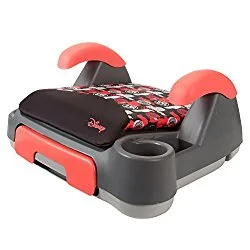
A backless booster seat must be used with a lap and a shoulder belt as they work together to keep your child safe. These are considered the most efficient booster seats because they are easy to move from car to car. However, there are a few fit requirements: your car needs to have a headrest, and your child’s ears must be no less than one inch below the top of the vehicle headrest when he is sitting down.
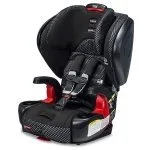
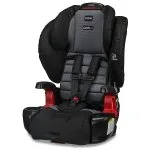
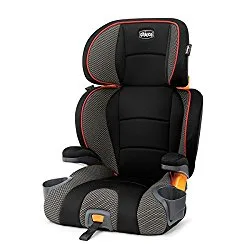
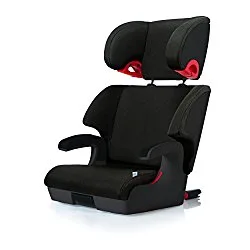
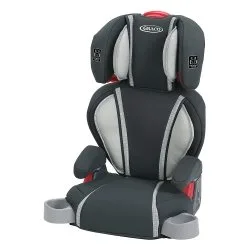
High Back Booster Seat
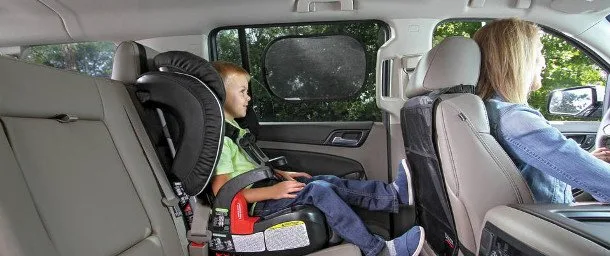
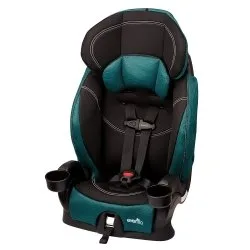
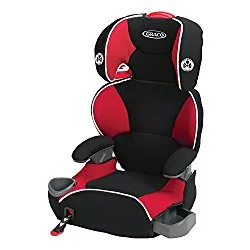
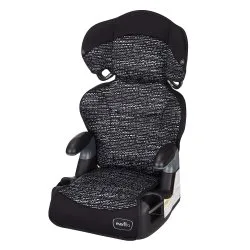
A high back booster seat also must be used with a lap and a shoulder belt. This is good for a car that doesn’t have headrests, but it can be used in a vehicle that does have them so long as the back of the booster sits flush against the back of the vehicle seat. The high back booster is particularly good for smaller children that still like to nap in the car or for families that drive in a lot of stop and go traffic. In case of an accident it is helpful in preventing whiplash.
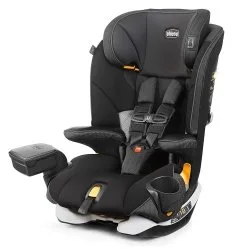
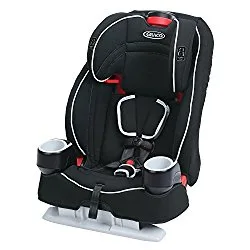
Forward-Facing to Booster Convertible Seat
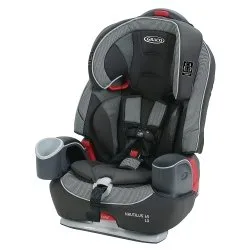
Another option is a forward-facing seat with a harness that converts to a booster. This is becoming more and more popular with parents. It allows you to keep the same car seat system over time, which can save you some time and money. It also makes it easier for you to switch back if you find that maybe your child wasn’t ready.
How the seat works and fits your car will be largely dependent on the seat itself. When shopping for a booster seat, keep these things in mind:
- Your car needs to have both a lap belt and a shoulder belt in order to use any current booster seat.
- Your child must be at least 40 pounds to use the booster seat – even if he is tall, he needs to weigh this much to hold down the seat when the car is in motion.
- Ensure that you buy a booster seat with a headrest if he cannot use the headrest in the car.
If You Need Seats for Children Living With Special Needs
It is important to note that some children require seats that fit their physical needs. First, we suggest always seeking advice from your pediatrician. He or she will likely know of the best option for you or can refer you to someone who can help you find a great fit. Secondly, try to do some research about which seats have worked best for other children that have the same physical requirements as your child does. Seeking feedback from parents is often the fastest way to learn about a car seats capabilities.
Installation Tips for Booster Seats
When you are using a booster seat, always read the owner’s manual of both the car and the booster seat first. You will get great tips and tricks that will make installation much easier and more efficient. Most booster seats come with a plastic clip or guides that will help you to correctly position the vehicle lap and shoulder belts. Even more, your car may come with moveable pieces that you can use to adjust the clips and keep everything aligned. This is mostly true in newer cars. Another thing to be aware of is if your car has lower anchors or attachments. All this information should be readily available in the owner's manual.
Have your child present when you are installing the booster seat so you can double check the fit and make any necessary adjustments for comfort and safety. High back boosters, for instance, require the top of the headrest to be adjusted to within an inch of the top of the child’s head.
Booster seats always have to be used with a lap and shoulder belt, unless you have a rare booster seat with a harness (trust us you probably don't). Instruct your child to NEVER place the shoulder belt behind their back or under their arm. If it’s rubbing their neck too much, they likely still need to be in a harnessed seat or you need to adjust the shoulder belt positioning clips to ensure a better fit (see below).
Use Clips
With backless boosters, parents can use shoulder belt positioning clips (if they are recommended for your specific seat) for an even better fit, especially with a wiggly child. The clips are most likely to be found on the sides of a high back booster or attached to a strap on the bottom or back of a backless model. Sometimes, you won’t need to use the clips if the seat belt lands correctly on your child.
LATCH Systems Help Too
Though not common for booster seats, some of the seats come with LATCH systems that connect to the anchors in your back seat just like harnessed car seats. They can help keep the seat still and in place, especially for a wiggly child. They can also help secure the seat when your child isn’t riding in it so that the seat is not a projectile in an accident. If you don’t have a LATCH attachment for a high-back booster, just buckle the seat belt around it to keep it steady when your child isn’t in it.
How do I know if I’ve installed my child’s booster seat correctly?
First make sure you’re able to access the seatbelt easily. This could be a challenge in smaller cars or cars with bucket seats. It is important that you (or your child) can easily buckle it properly across their bodies. With a high back booster, make sure the seat belt slides freely within the seat belt guides in the booster seat.
Location is also very important. Ideally, place the booster seat in the center of the backseat so your child will be more protected in a side impact. Wherever you place it, make sure there is both a lap belt and a shoulder belt NOT just a lap belt. Some older vehicles may only have a lap belt in the center seat and you should avoid placing the booster there.
If you can’t place your child in the middle, put them into the seat behind the passenger side of the car. That way you will be able to look at your child and check on them throughout the entire ride. Plus it allows you to safely get your child out of the car when you park on a busy street.
If you have more than one child and have multiple safety seats in the car, you want to spread them out if possible (like in a van with multiple rows) or put them together for maximum protection. With a mix of booster and harnessed seats, place the booster seat in the middle so the older child is better protected. The harnessed seats can help provide adequate side impact protection for the younger kids.
Booster Seats to Avoid
There are a few different booster seats (also applies to any safety seat) that parents are better off avoiding.
The first type is the shield booster seat. These have a big, usually padded, tray or bar that comes down over the baby’s head, and buckles into the car seat at the crotch. While a shield booster seat is still better than no seat at all, it’s no longer recommended by any professional because it can actually cause more harm than good. The bar can actually cause severe facial and head injuries in a crash. Plus there are no straps at the hips, as there are in a five-point harness. The bar height is usually not adjustable, either so you can’t get a perfect fit.
But good news: these are no longer manufactured, and it’ll be hard for you to even find one. If you do, just walk away. It would likely be expired already anyway.
Another thing you want to avoid is a recalled seat. Recalled seats have problems that you might not be able to see. Make sure to check the National Highway Traffic Safety Administration listing of recalled seats before purchasing.
Keep in mind, however, that not all recalls are related to life-threatening flaws. Many times there may just be trivial issues, like missing information in the manual or a missing sticker on the seat. The best way to keep up-to-date is to be sure and register your seat - fill out that little card that comes with it and mail it off to the manufacturer (or register it online).
You should also avoid second hand seats. Whether they come from garage sales, yard sales, thrift markets, or friends, these seats may have expired or could have been in crashes that left invisible damage. If you must buy it second hand, please be sure that it is still up to date, hasn’t been involved in any accidents, and has only light wear and tear.
When Can We Eliminate the Booster Seat?
Eventually, your child will grow big enough that you will be able to ditch the booster seat and use only the vehicle belt. Parents should not rush their child out of the booster as AAP recommends kids use booster seats until they are at least 4 feet 9 inches tall. Parents who want to remove the booster seat should check these five things before doing so:
- Your child can comfortably sit all the way back against the vehicle seat. Their back should sit completely flat against the seat without a gap and they should not be slouched forward.
- Your child’s knees bend comfortably over the edge of the back seat. Otherwise they might slump forward to pull their legs over the seat and that can move the seat belt up onto the soft part of their belly.
- The shoulder belt sits diagonally across the shoulder, not on the neck or arm. During a crash the belt can slip off the shoulder or injure a child’s neck. Kids should be tall enough to not be tempted to put the shoulder belt behind them.
- The lap belt goes across the top of the thighs, not on the abdomen. The hip bones are the sturdiest part of the body and that is where you want to direct force during an impact.
- Your child can remain safely seated throughout an entire trip. Booster seats position kids for a comfortable ride so if they are squirmy in the car without it then the car seat is probably too big.
Remember to also check your local laws regarding car seats and boosters before moving children out of them.