booster seat
Nuna AACE Booster Review
by nuna
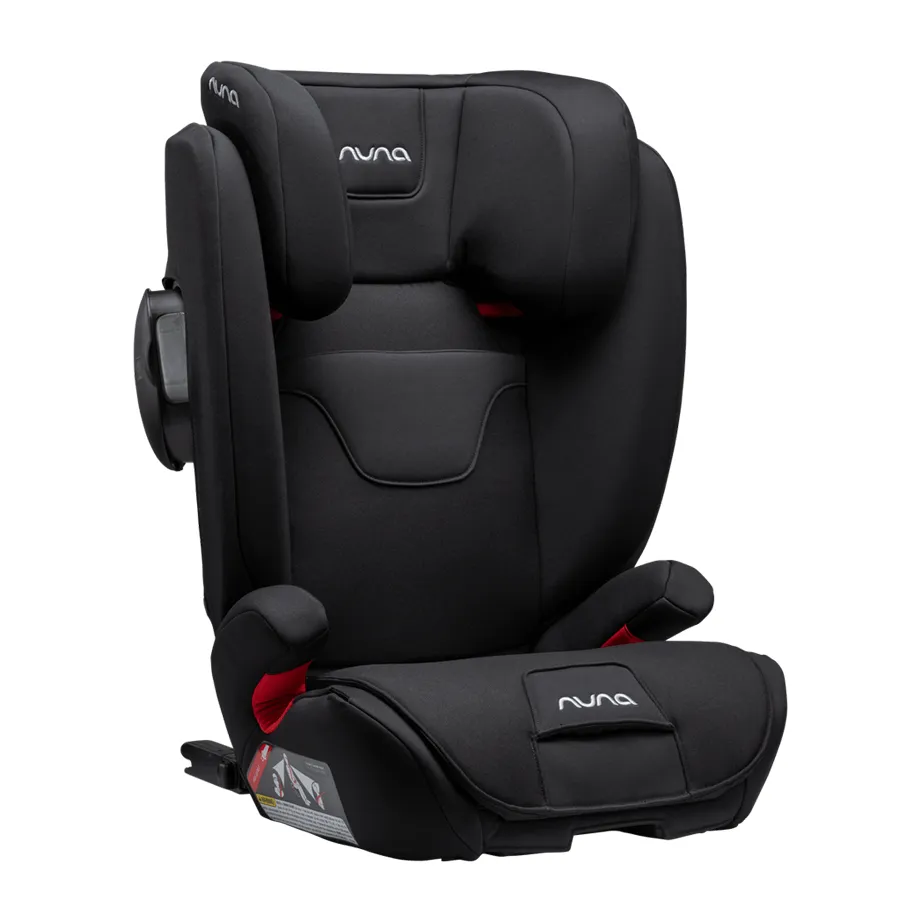
The Nuna AACE is a plush, rigid-LATCH booster with side-impact pods and a 120-lb no-back mode, a premium pick for kids who are at least 4 and 43 inches, as long as you can live with its width, weight and a 110-lb cap in high-back mode.
- Booster
What we like
The rigid lower-anchor connectors keep the booster in place and work the recline in high-back mode, while the vehicle belt protects your child. No-back mode goes to 120 pounds, and a shoulder belt positioning clip is included for it.
IIHS named it a Best Bet in both modes in its November 21, 2017 ratings (IIHS no longer rates boosters). Nuna adds side-impact pods, energy-absorbing foam and GREENGUARD Gold certified fabric, and the seat lasts 10 years.
Worth knowing
High-back mode tops out at 110 pounds, and no-back mode needs your child to be at least 5 years old and 50 pounds. It's wide (21.5-22.5 inches, per Nuna) and heavy at 15.6 pounds, so three-across is hard.
The recline works only in high-back mode with the lower anchors attached, and the manual says the booster must go in the rear vehicle seat. It's in the premium price band, availability varies by colour and retailer, and like every booster it isn't certified for aircraft.
Some boosters are a plastic shell and a cushion. The Nuna AACE is closer to a car seat: rigid lower-anchor connectors, side-impact (SIP) pods, an adjustable seat depth and a lot of padding. It starts as a high-back booster and becomes a no-back booster later.
The short version: high-back mode fits kids 40–110 lb, 43–60 inches and at least 4 years old. No-back mode fits kids 50–120 lb, 43–60 inches and at least 5 years old. Your child must meet every requirement for the mode you use. It’s in the premium price band, it’s wide and heavy for a booster, and availability varies by colour and retailer.
This review covers the US AACE only. It’s based on Nuna’s US product page and the US manual linked from it (IM-001395E), IIHS and NHTSA records, and the CPST site CarSeatsForTheLittles (CSFTL). We did not crash-test or install this seat ourselves.
What changed from earlier AACE versions
The AACE isn’t new. CSFTL reviewed the US AACE in 2016, and the name hasn’t changed since.
The minimum height in the current manual is 43 inches
Older AACE manuals list a 38-inch minimum height. Nuna’s current manual says 43 inches. Follow the label on your seat. You may still see 38 inches on older listings and CPST sites, so check the label on the seat in front of you.
What stayed the same
- The weight limits: 40–110 lb in high-back mode and 50–120 lb in no-back mode
- The age minimums: at least 4 for high back, at least 5 for no back
- The 60-inch maximum height in both modes
- Rigid lower-anchor connectors and Nuna’s side-impact pods
AACE vs AACE lx: not the same seat
Nuna sells a seat called the AACE lx in Europe. It’s a different product built to European rules, and it isn’t the US AACE. European test results for the AACE lx don’t apply to the seat in this review.
Is your child ready for a belt-positioning booster?
A booster lifts your child so the adult seat belt crosses the strong parts of the body: the lap belt low on the hips and across the thighs, and the shoulder belt flat across the chest and shoulder.
Keep your child in a harnessed seat for as long as it fits. Nuna’s manual is strict about the minimums: your child must meet all of the requirements for the mode, so a 4-year-old who’s 41 inches tall isn’t ready, and neither is a 45-inch child who’s only 3. Your child also has to sit properly for the whole ride, every ride.
Check your state’s car seat laws and NHTSA’s booster guidance too.
What are the child size limits?
Here’s what Nuna’s current US manual lists:
| Mode | Age | Weight | Height |
|---|---|---|---|
| High back booster | At least 4 years | 40–110 lb | 43–60 in |
| No back booster | At least 5 years | 50–120 lb | 43–60 in |
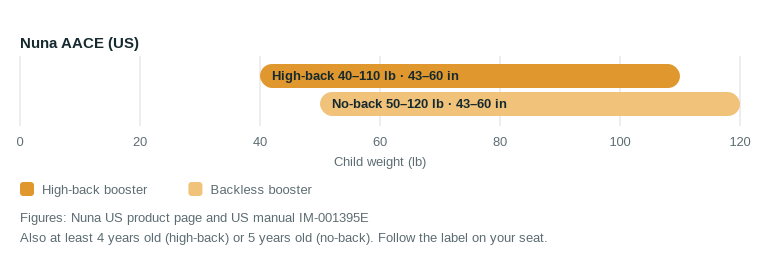
A child over 110 lb must ride in no-back mode. The 120-lb limit applies to no-back mode only.
High back or no back: when to use each
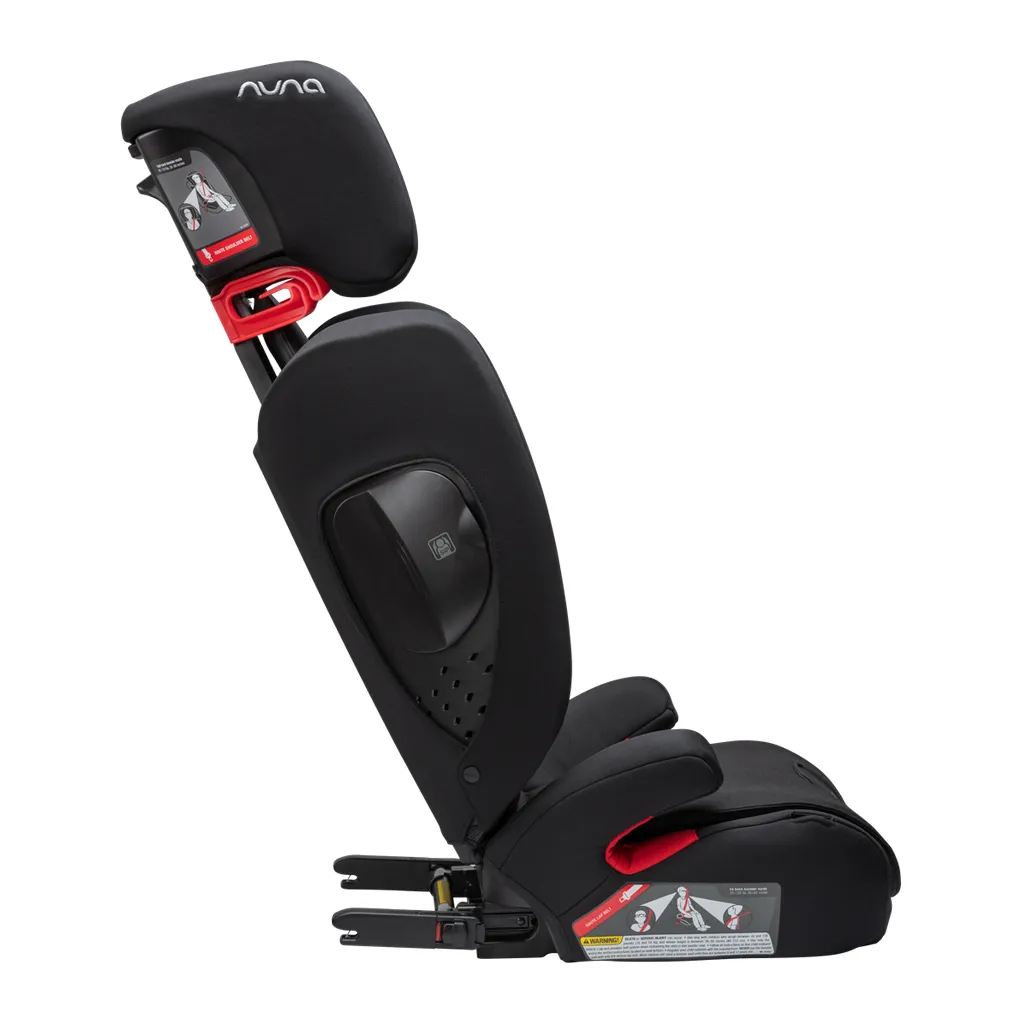
Image: Nuna
Start in high-back mode. Raise the head support as your child grows. According to the manual, the bottom of the head support should be even with the top of your child’s shoulders, the shoulder belt goes through the red shoulder belt guide, and the lap belt goes under the armrest, flat and snug across the thighs and low on the pelvis. Nuna lists 9 headrest positions.
Move to no-back mode when your child is at least 5 years old and 50 lb, and when they’ve outgrown the high back or passed 110 lb. In no-back mode:
- The top of your child’s ears must be at or below the top of the vehicle seat back or head restraint.
- Use the included shoulder belt positioning clip if the shoulder belt falls outside the area the manual marks as correct.
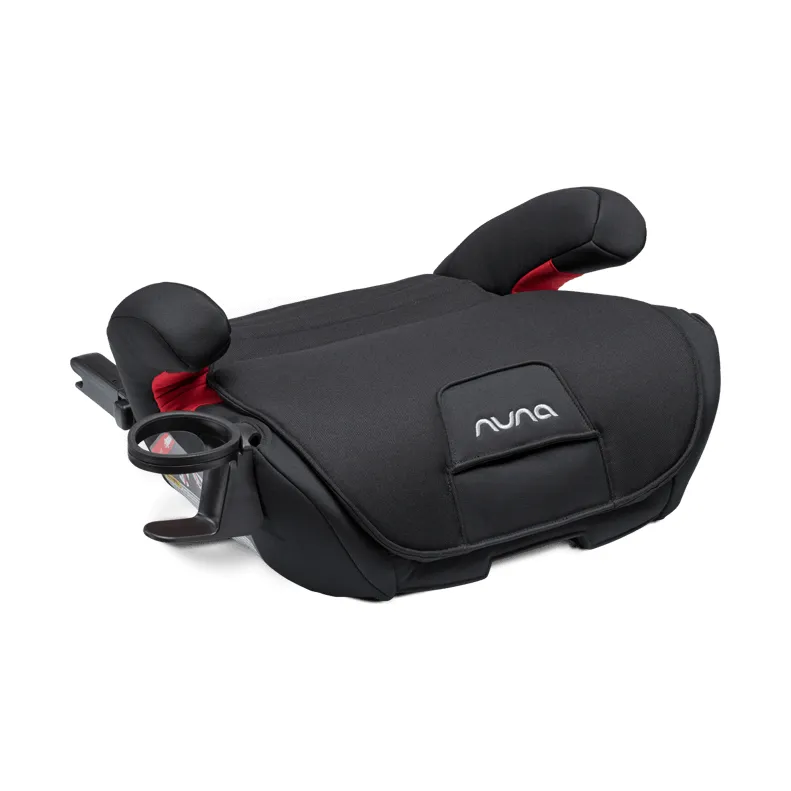
Image: Nuna
How safe is the AACE?
With any booster, safety comes down to belt fit. The manual’s basics:
- Use it only with a vehicle lap-and-shoulder belt. Never with lap-only, motorized, or door- or track-mounted belts.
- This booster must be installed in the rear vehicle seat, forward-facing, and never in front of an active air bag.
- Never leave it unsecured, even when it’s empty.
Nuna describes “energy absorbing side impact protection”, with side-impact (SIP) pods and energy-absorbing foam. The manual says the pods should be deployed whenever the seat is installed. These are Nuna’s feature names, not a separate rating.
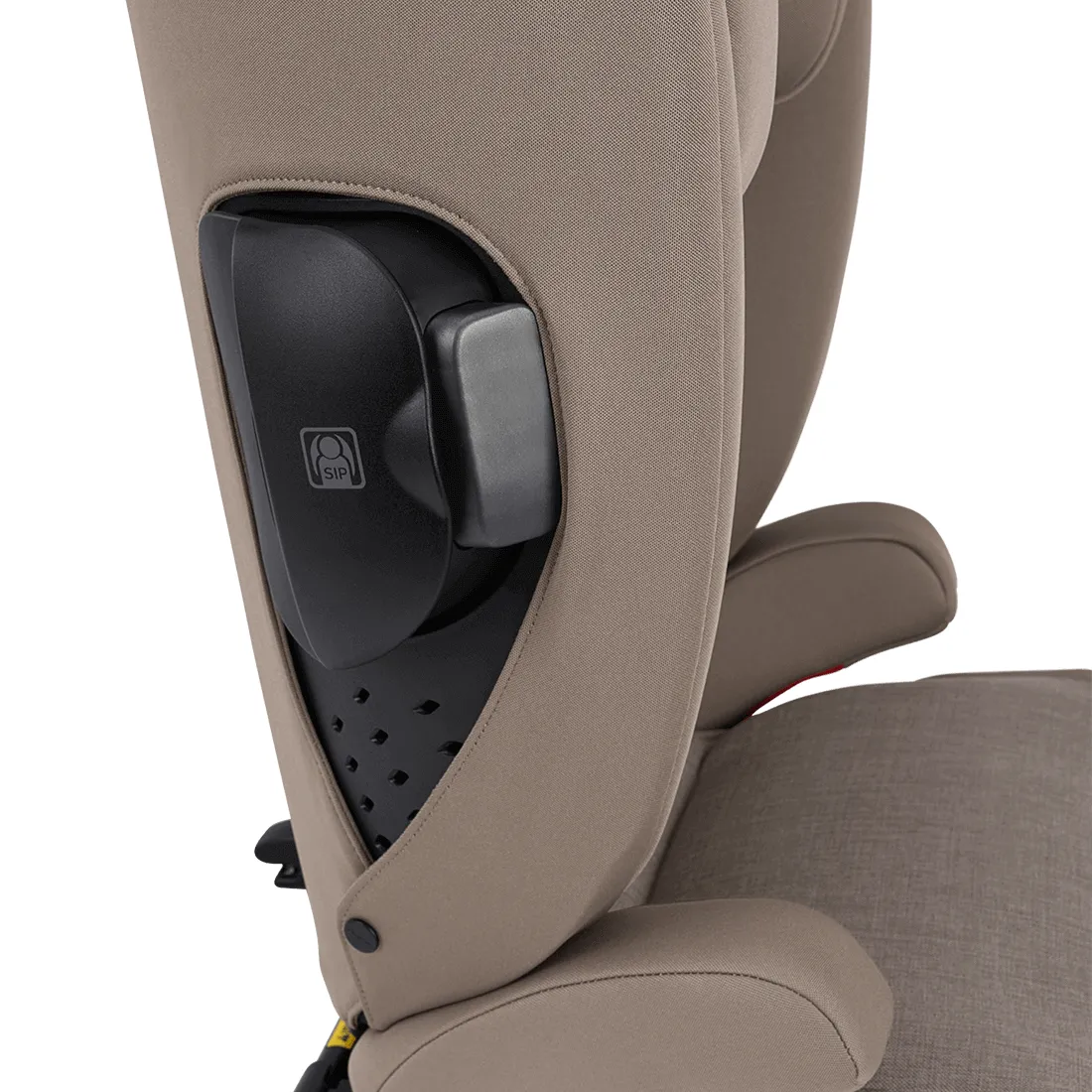
Image: Nuna
What about IIHS? IIHS named the AACE a Best Bet in both high-back and backless mode in its November 21, 2017 ratings. IIHS rated boosters from 2008 to 2024 and no longer does. That rating was for the AACE as sold in 2017.
Recalls: We found no recall when we checked (November 2026). Nuna’s recalls on NHTSA’s site involve other Nuna models.
After a crash: the manual says never to use the booster after a moderate or severe crash. A minor crash that meets all of NHTSA’s criteria doesn’t automatically require replacement.
How easy is it to install and use?
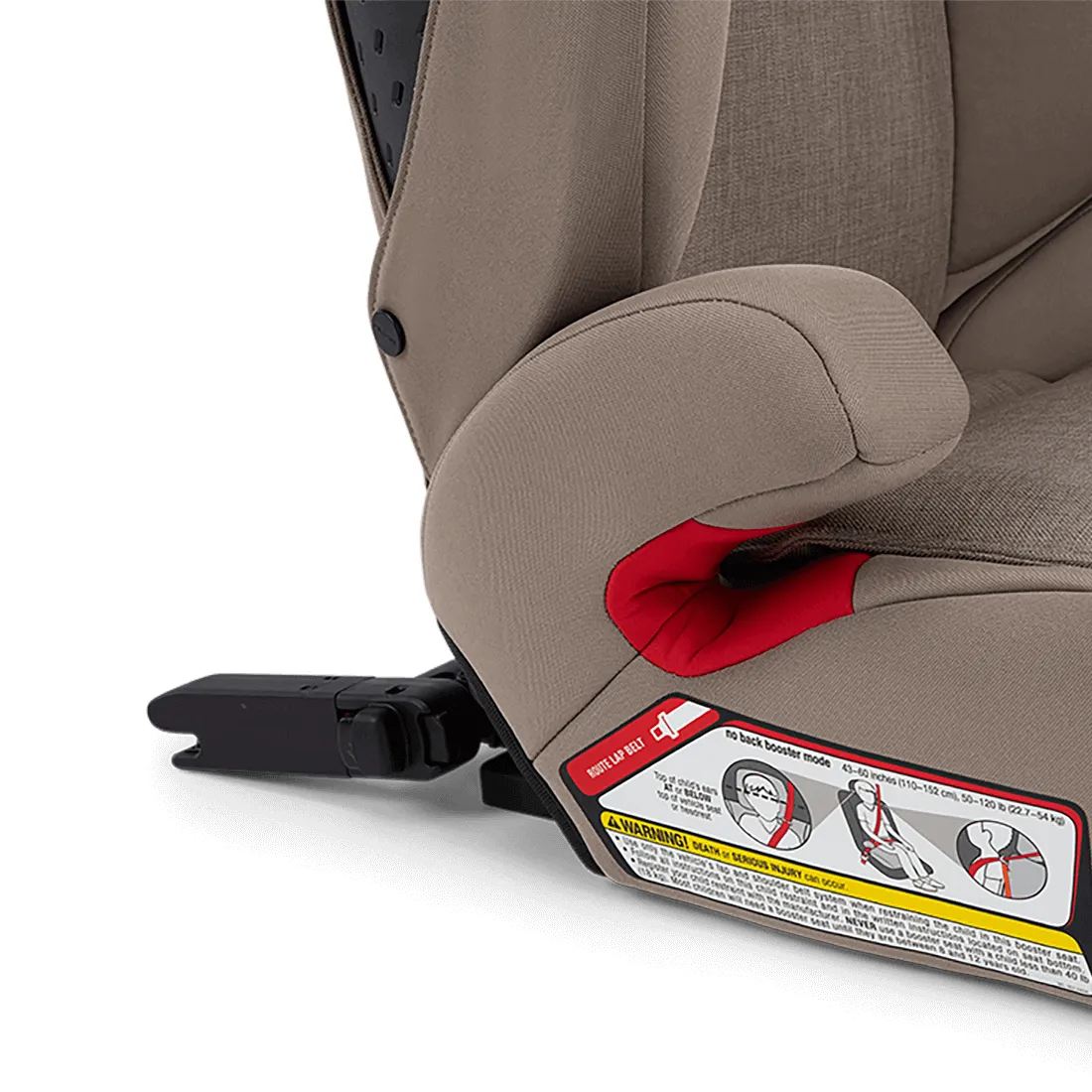
Image: Nuna
The vehicle belt is what protects your child. The AACE’s rigid lower-anchor connectors are optional, and the manual is blunt about them: “DO NOT use the Rigid Lower Anchor Attachments to restrain the child.” They’re for holding the booster in place and for working the recline in high-back mode. Your car’s lower anchors need the standard 11-inch spacing, and green indicators show when each side is latched.
Recline: the manual describes two seat-back positions, fully upright (1) and reclined (2), and says never to use the booster reclined past position 2. The recline works only in high-back mode with the lower anchors attached. If you see other recline figures in listings, follow the manual in the box.
CSFTL found the rigid connectors easy to use on the 2016 version. It also noted that the deep shoulder wings made it harder to thread the shoulder belt in high-back mode.
Will it fit in your vehicle?
This is a big booster. Nuna lists it at 21.5 inches wide with the headrest at its lowest and 22.5 inches at its highest, and 15.6 pounds. CSFTL found three-across hard on the 2016 version. If you share the back seat with other car seats, measure first.
Comfort, fabrics and cleaning
Comfort is where the AACE earns its price. CSFTL praised the generous padding and the adjustable leg support on the 2016 version, though it found the fabric bunches at the shortest seat-depth setting. The manual lists three seat-depth positions.
Nuna says the AACE has GREENGUARD Gold certification and fabric that’s “fire retardant free” and “naturally flame resistant.” The included starter kit has a dishwasher-safe cup holder, per Nuna.
Expiration, warranty and travel
- Useful life: 10 years. The manual says not to use it if it’s more than 10 years old; check the label or the “do not use after” date on the bottom.
- Warranty: the manual points to Nuna’s warranty page for terms rather than stating a length, so check there before you buy.
- Not for airplanes. Nuna says it’s “not certified for aircraft use, since aircraft belts are lap belts only.”
BestCarSeatHub’s Final Verdict
The AACE is the comfortable, car-seat-like choice among premium boosters. Rigid connectors, side-impact pods and a 120-lb no-back mode make it easy to recommend for families who want one booster with plenty of padding. The trade-offs are real: a 110-lb cap in high-back mode, no-back mode that needs age 5 and 50 lb, and a wide, heavy seat.

- High back 40–110 lb; no back 50–120 lb; 43–60 in in both modes
- Rigid lower-anchor connectors that also work the high-back recline
- Side-impact pods and energy-absorbing foam (per Nuna)
- IIHS Best Bet in both modes (November 21, 2017 ratings)
- 10-year useful life
- Shoulder belt positioning clip included for no-back mode

- High-back mode tops out at 110 lb
- No-back mode needs your child to be at least 5 and 50 lb
- Wide (21.5–22.5 in) and heavy (15.6 lb)
- Recline works only in high-back mode with the lower anchors attached
- Rear vehicle seat only
- Premium price band; availability varies by colour and retailer
- Not FAA certified (no booster is)
Who it’s for
- Parents who want a plush, rigid-LATCH booster that stays put and grows to 120 lb in no-back mode
- Kids who are at least 4, 40 lb and 43 inches, have outgrown their harness, and can sit properly for the whole ride
- Families who’ll use the recline in high-back mode for sleepy rides
Who should skip it
- Anyone who needs three across or a light seat to move between cars
- Families who want high-back mode to 120 lb: the Britax Highpoint 2-Stage goes higher
- Shoppers who want a lower-priced LATCH booster: the Chicco KidFit ClearTex Plus is in a lower band
- Parents comparing rigid-LATCH premium seats should also look at the Clek Oobr
Bottom line: if your child is booster-ready and comfort matters, the AACE is a strong premium pick. See how it compares in our best booster seats guide.
- High-back booster weight
- 40–110 lb
- High-back booster height
- 43–60 in
- Backless booster weight
- 50–120 lb
- Backless booster height
- 43–60 in (ears at or below the top of the vehicle seat back or head restraint)
- Minimum age
- At least 4 years (high back); at least 5 years (no back)
- Installation
- Vehicle lap-and-shoulder belt only; rear vehicle seat only
- Lower anchor connectors
- Rigid, optional; hold the booster in place and work the high-back recline. They don't restrain your child
- Recline
- 2 seat-back positions (upright and reclined), high-back mode with lower anchors attached
- Headrest positions
- 9 (Nuna)
- Shoulder belt positioning clip
- Included, for no-back mode
- Seat weight
- 15.6 lb (Nuna)
- Width
- 21.5 in (headrest lowest) to 22.5 in (headrest highest), per Nuna
- FAA certified
- No
- Useful life
- 10 years (check the label or 'do not use after' date on the bottom)
- Manual
- IM-001395E (US)