Let’s be honest: talking about child safety car seats with other parents can end up looking like the comments section on a cooking video. People agree that you have to use it, but how you get there and what you do once it happens are completely different things.
Still, car seats have to cause an argument among parents – there should be think pieces and YouTube videos and disagreement.
When we start to argue about things like LATCH systems or the amount of padding that we put into our seats, only then can we start to create safer, more effective baby seats.
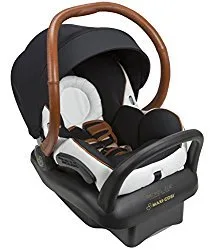
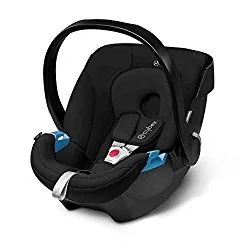
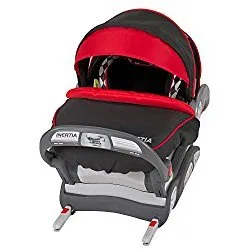
The infant and convertible car seats on this page are among the safest and most secure on the market today. They have been carefully vetted and tested to ensure that they will protect your child in accidents.
In order for a car seat to pass through to the market, they have to be explored by different organizations, including:
- Road safety teams
- Scientists
- Parenting groups
- Individual parents
We have combined all of their research together into condensed reviews that thoroughly explore the advantages and disadvantages.
In order to get the most out of whatever car seat you buy, you will need to ensure that your child is properly sitting in the seat, the seat was installed correctly, your child meets the weight and height limits, and everything is in proper working order.
All of these convertible and infant seats come with extensive manuals that will help you get the safest possible usage.
The Safest Convertible Car Seats
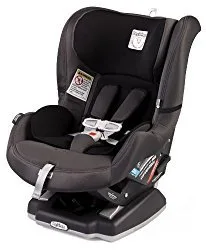
Convertible car seats are probably the easiest option for many parents, especially if they are sure they won’t have a child that is too small to meet the initial height and weight limits.
They start out as rear facing that will hold your child up to around 20-25 pounds. From there, you can convert it to a forward-facing seat. The weight limits and height limits there are slightly different, so it is a place you will want to pay attention.
Some seats will then transition from a forward facing car seat to a booster seat.
Some convertible baby seats will allow you to throughout your child’s entire life. Others will require you to get a separate booster seat or an infant car seat if your child does not meet the guidelines.
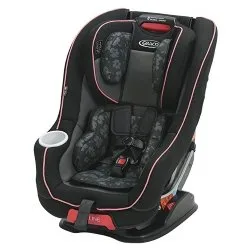
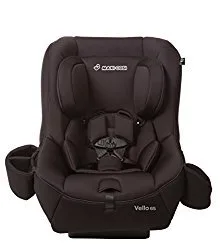
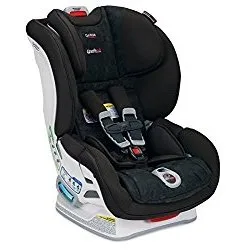
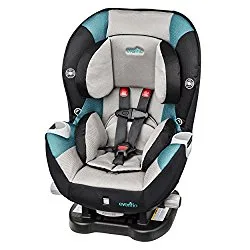
The seats below are not only some of the most comfortable and easy to use convertible seats, they are also some of the safest convertible car seats on the market. Each stage has been tested and vetted in the most extreme situations.
Which organization seals should I look for when picking the safest car seat?
Look for either a seal or a certificate within the paperwork from different agencies. These are the agencies who have a track record of choosing the best seats that will protect your child in case of an accident. While there are many firms out there to evaluate car seat safety, these are the ones that are tried and true:
The National Highway Traffic Safety Administration (NHTSA) reports on the technology and tools behind a car seat system. Using this resource is particularly important for parents who will be driving on high-speed roads. Their system is easy to understand and helps many parents discover whether or not the equipment they chose is easy to use, using a star-based system. All of the seats that they rank do meet their standards, they are simply pointing out the safest car seats among them.
As for all things that you purchase, you can also check with Consumer Reports, which will monitor all of the latest comings and goings of car seats. While the main focus is on the child and safety, you will also get the skinny on whether or not this seat is great to use. If the best safety features aren’t easy to use, few people are going to take advantage of them, and you need to know that.
Tips for safety use of child car seats
To safely use a car seat, there are many things you need to take into consideration first. The most important thing is that you thoroughly read through the user guide before actually putting your car seat to use. Always ensure that your car seat is brand new. Make sure you understand what is being said and how to do everything – this will take some research from you before your baby even arrives.
There are different sizes available to you, so make sure that you are always using the one that matches your child:
- Infant only: Up to 35 pounds in some cases
- Convertible: Each mode has a different weight limit. Make sure to keep your child rear facing for as long as possible.
- Toddler: Can hold up to 70 pounds in some cases
When installing your car seat, make sure to have all of the connections secured and the seat properly adjusted. Most hospitals will help you, but once your baby is home you are on your own. Take advantage of the nurse that tries to help you – ask questions.
The center rear seat is the best place for your child to be, though most parents won’t put their child in the middle. It is easier for you if the seat is behind the driver, but remember to think about safety. If you have more than one child, consider putting the most vulnerable (typically the youngest, but not always) in the middle seat.
If you are purchasing a new car so that you can accommodate a car seat, look for one that allows LATCH connections in the middle. Note that some parents can’t put the baby in the middle because moms who have C-sections aren’t allowed to lean for some time.
You can get individualized tips for each of those seats on our other pages.
Avoid the ten most common car seat safety mistakes
Car seat safety is one of the things that will keep you up at night as a parent. Are you installing everything correctly? Do you really know what you’re doing? Many parents make the same common mistakes:
They buy a used car seat. If you don’t know the history of a safety seat, don’t use it. There is no way for you to tell whether the seat has missing parts, it has been damaged, it has been recalled, or it has expired. You can check the model number, but that doesn’t tell you the whole story.
They make the seat too loose. Sure, you want your baby to be comfortable. However, you also want your baby to be safe. Don’t make it too tight, obviously, but you want the hold to be firm.
They dress their children in too much clothing. Even if it is cold outside, consider using thinner outerwear and keeping your car warm. Once you have your baby buckled up, then you can layer a blanket. Bulky outerwear will reduce the efficiency of your seat.
They put the car seat in the wrong place. Always put your car seat in the middle rear seat if possible. Keep them away from air bags. If you only have one row of seats, ensure that all air bags are deactivated – but it is really better to have another car.
They put the recline at the wrong angle. Instructions come with your car seat, use them. If your baby is between angles, consider using a rolled towel or blanket to find that perfect fit. Do not use additional products within the seat itself unless they come directly from the same company.
They keep their baby in the car seat when he/she’s napping. This is incredibly dangerous! The strap in the seat can cut off oxygen, obstructing breathing and doing serious damage. You shouldn’t even allow your child to sit in a car seat for too long. This is double true if you have a colicky baby or one that has gastroesophageal reflux disease.
They move them to a forward-facing carseat too early. Parents are always tempted to move their children to a forward-facing seat because they can see them better. However, most people will agree that sitting rear is important until at least two years of age. If your child can go longer, keep them backwards.
They go booster way too early. Kids can be demanding, but don’t let yours win this one. A booster seat should only be used when your child has passed the height and weight requirements. Keep your child in a harness for as long as possible.
They use the booster seat ineffectively. The booster seat helps to adjust the lap belt so that it fits properly. Seat belts should be low and against the upper thighs with the shoulder belt crossing the middle of the chest and shoulders.
They transition to no seats too quickly. By right, children shouldn’t be out of their safety systems until about 12 years old. Make sure that your child is 4’9”, can sit against the back of the seat for an entire trip, and can wear the safety belt properly.
Remember that it is always important to lean on the side of caution – and that you are the parent!
 Our Choice